The Lexington Writers Room logo is a blue background with an orange book illustrated like a two-story house. Within the book-house there are people in various stages of reading and writing.

Community Spotlight Podcast – Episode 18: Brooklynn and Pam Dorrel, Lexington Writer’s Room

Community Spotlight Podcast – Episode 18: Brooklynn and Pam Dorrel, Lexington Writer’s Room

In this episode, Brooklynn interviews Pam Dorrel, the Community Manager of the Lexington Writer’s Room, a coworking space for active writers in the Lexington area.

Transcript

[Narrator] Hello and welcome to the Community Spotlight Podcast. Each episode highlights something interesting in the community of Lexington or surrounding areas of Kentucky. The podcast was started by students in the College and Career Studies program at the University of Kentucky. Thanks for listening.

[Brooklynn] My name is Brooklynn and I am going to interview Pam Dorrel, the community manager for the Lexington Writer’s Room. Hi, Pam, how are you doing today?

[Pam] Hi. I’m doing great.

[Brooklynn] All right. So my first question is going to be: So, I got to visit the Lexington Writer’s Room recently. And it is a really cool space. Can you talk a little bit about what the organization is and how it got started?

[Pam] Well, the Lexington Writer’s Room is a space for writers who live in and around Central Kentucky, mostly the Lexington area. It’s a space for people to come together and write and to meet other writers. And if you are in need of just a place to get away and have some inspiration, some focus, a place where you just specifically want to write, then this is the place to be.

We got started in 2020 right before Covid, actually. The space was created and we were able to actually get going during lockdown. So we’ve been going for six years now and going and growing and, trying to, I guess, bring writers together as the place to meet and to write.

[Brooklynn] That is really interesting. I didn’t know you guys started before lockdown. That is – I did not know that. So obviously, the Writer’s Room is for writers. How did you get started with writing and what kind of stuff do you most like to write?

[Pam] I actually got started writing, I used to read a lot of science fiction, and I got started writing science fiction short stories. When I started at the Writer’s Room in back in late 2020, I actually was working on a novel, a young adult novel, and it was a great place for me to begin to put my novel together. And as I got more involved in just being in the Writer’s Room and connecting with other writers – to be honest, my writing suffered a little bit because I was just getting, engaged with other writers, but – so, I still haven’t finished that young adult novel, but I did go back to writing short stories and actually, from meeting other people, I’ve been more inspired with writing poetry as well. So, those are the things that I’m kind of growing as a writer and doing.

[Brooklynn] Okay. I did take a creative writing class that semester, and the one thing that she taught us to do was to write poetry. Was really tough, but it was very enjoyable. So I like to write lots of different things, but especially fiction that includes a lot of historical elements. I have other clients who write, and sometimes we give each other ideas. What are some of the ways that writers connect if they are members of the Writer’s Room?

[Pam] Well, first of all, being a member of the Writer’s Room is a chance to just find out who other writers are in Lexington and around central Kentucky. There are people who are out there writing that they have everyday jobs, and you wouldn’t even know that they are secretly writers. And being at the Writer’s Room is a chance to meet other writers in the space. We have writers of all kinds of genres, everything from people who are just writing as a hobby to professional authors. We also have people who write, like I said, every kind of genre that you can think of, even people who are just writing professionally, business writing and even academic writing. So, we just have just a broad base of experience and knowledge. We have people that are just starting out as writers, and then we also have people who have been writing for many years, and have retired from writing, but still, you know, like to write on the side. People have a chance to meet in the space and meet up with the writers. We have a couple of different, gatherings that we have once a month. We have writing groups and critique groups. We do have, monthly writing. We call them writing parties for people to just come together and meet other writers. And it’s a chance if you want to, like, read some of your writing. It’s a chance to just get applause for getting some work done. And it’s a chance to tell other writers about the work that you’re doing and maybe get ideas, get some input.

[Brooklynn] Interesting. I’ll have to look into that, cause I’m working on a story right now. It’s not finished yet. I’m working on that, but, I would definitely look into some writing groups to share my work. So I know that for a lot of people, they might want to connect with other writers, but might not know where to start. This semester, I worked on a toolkit to gather information about how people might connect with the literary community in Lexington. Why do you think it is so important for creative people to connect with each other and share their work?

[Pam] I think as a writer, sometimes, especially if you’re starting out, you really need constant encouragement to keep going. And that sometimes comes internally from the inspiration that you get and the fact that you really want to write. But it also really helps to get encouragement from other writers and from people who understand what it’s like to be a writer and kind of the stops and starts. Life as a writer. So it really helps to connect with other writers who even writers who are starting out. Because when I meet young writers, it’s very inspiring. Just the desire and the passion that they have. And then when I meet older writers, seasoned writers, it’s also inspiring because it’s like, they did it. I can do it. And it’s also knowing that you can do it for the long haul, or that you can keep writing and keep growing in your writing and become a better writer. And then also, you know, if you want to get published, those opportunities are still always out there.

[Brooklynn] Yes. That’s definitely my goal to publish. So that’s interesting.

[Pam] And can I add something?

[Brooklynn] Yeah, go ahead!

[Pam] You’d be surprised at just how many writing opportunities there are out there. We’ve got people that are full time writers, people that are part time writers, and people that are just writing as a hobby. People that self-publish. People that are published by, some of the big presses, people that are published by independent presses. But there are just so many opportunities out there for people that want to write. There’s contests. There’s, you know, just writing programs and stuff. And to have people who have experienced different things and then, you know, bring in that wealth of knowledge and experience into one place is just – it’s invaluable.

[Brooklynn] Alright. Yes. Writing is one of my go to hobbies. I do it when I’m doing my free time. That’s what I mostly do. If someone is interested in learning more about the Lexington Writer’s Room, what is a good way for them to do that?

[Pam] Well, we have a website. It’s lexwritersroom.org. L E X W R I T E R S R O O M .ORG. And you can also send an email to info@lexwritersroom.org

If you have any questions and I will get that email and I’ll answer any, any questions that you might have about what we do and who we are. And people can actually send an email and come in and tour the place.

[Brooklynn] That’s cool. So, is there anything else you would like to talk about that we have not gotten to talk about yet today, either about writing in general or the Lexington literary scene, or the invite them to the Writer’s Room specifically?

[Pam] There are just lots of opportunities around Lexington for writers and for writing some of the things that are going on on a monthly basis. We have a queer writing group that just started. We also have, a group that’s called Poets Here, which is the poetry writing group that we have twice a month. Those are actually open to the public. You can go to our website or again, send me an email at info@lexwritersroom.org to get more information about that. We also do a couple of book clubs that we have in the space. And again, you can, look on our website. You can find out more about our membership levels and our monthly membership. The one great thing about our membership is that it’s a month to month commitment. You don’t have to. You’re not locked into a contract forever. So I know as writers, sometimes the finances come and go. So you might need to leave and come back. And we welcome you back any time. Our membership levels are open space, which gives you access to the space 24/7. And then we also have virtual membership level. And if you look at our website, you can find out about, special promotions that we have going on to grow our members.

[Brooklynn] Thank you so much for talking with me today. I hope more people will check out the Lexington Writer’s Room and learn more if they would like to get involved.

[Pam] Thank you. I hope people will come to the website and check us out.

[Narrator] This has been Community Spotlight. If you are interested in being interviewed for the show, please reach out and let us know. And as always, thanks for listening.
CCS Student Spotlight: Xin Ni

CCS Student Spotlight: Xin Ni

The College and Career Studies (CCS) program would like to spotlight Xin Ni this month. Xin is in her second year in the CCS program.

Xin’s main passion is drawing comics. She creates her own comic called DinoFriends, which she posts regularly on Instagram. With this comic, she has made a whole world of colorful characters who explore various aspects of life together.

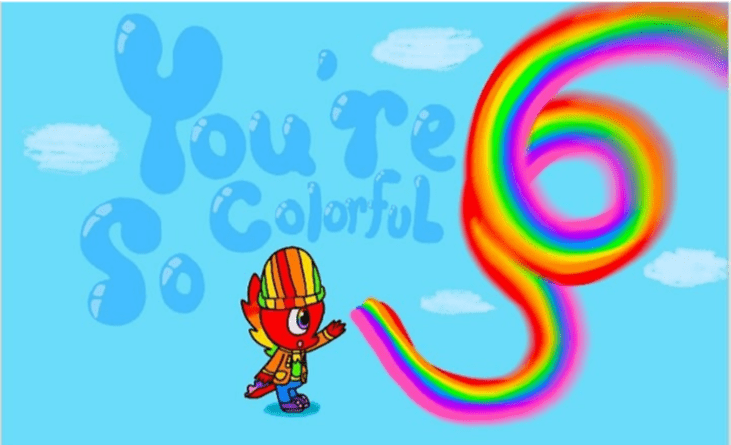
Xins Dinofriend in rainbow colors is holding the end of a rainbow. In the background you can see the words You're So Colorful.

Xin is taking three classes this semester: Writing Comics, First Aid and Emergency Care, and Practicum in Universal Design. In all of these classes, she is using her art skills to learn and share more about those topics.

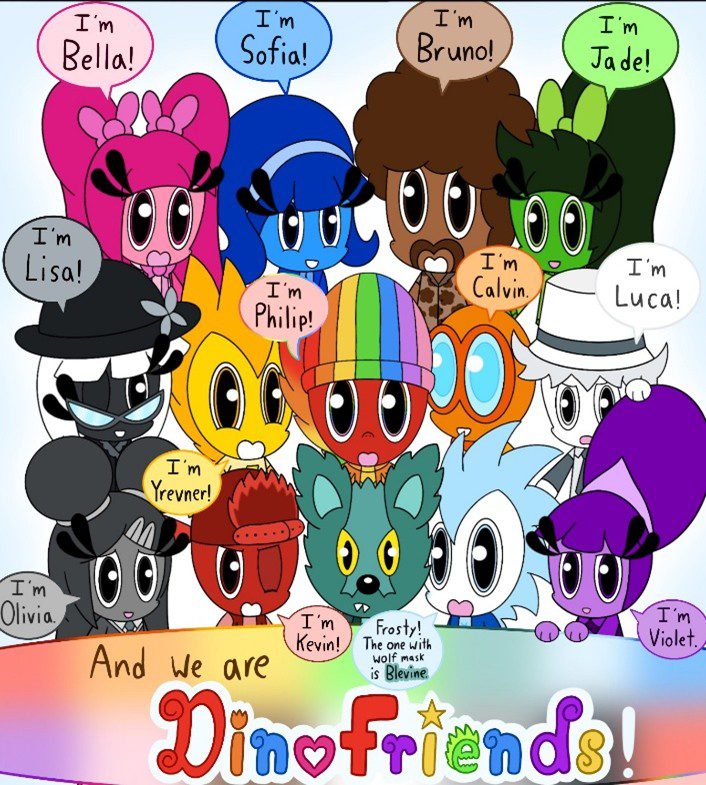
All the dino friends are pictured with speech bubbles introducing themselves. Below them it states We are Dinofriends.

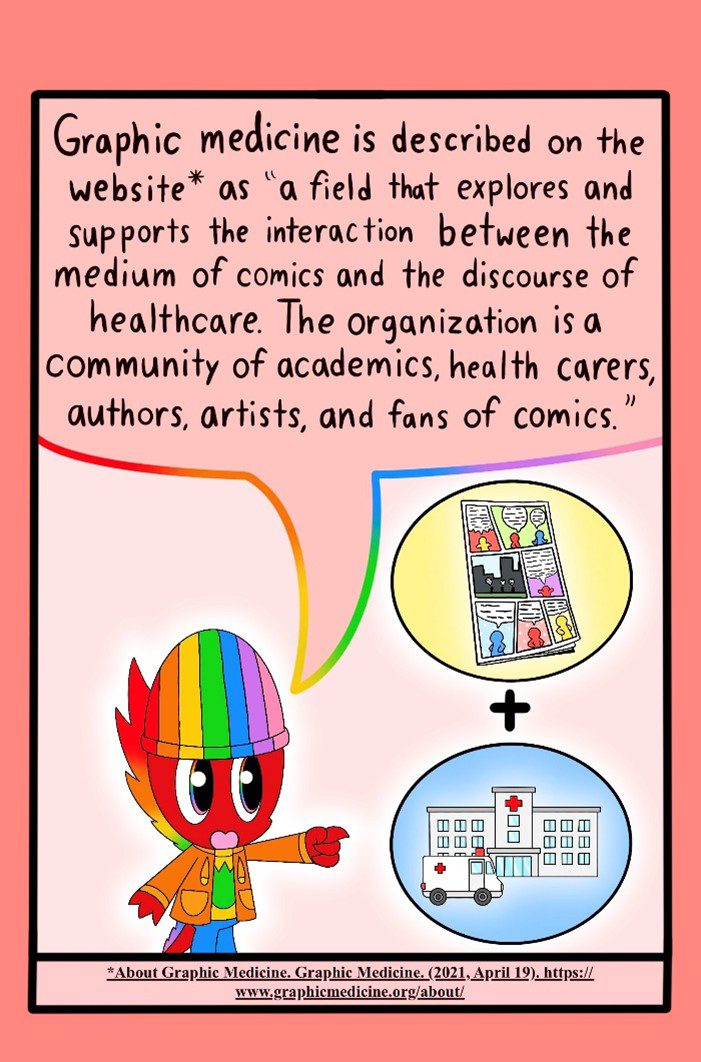
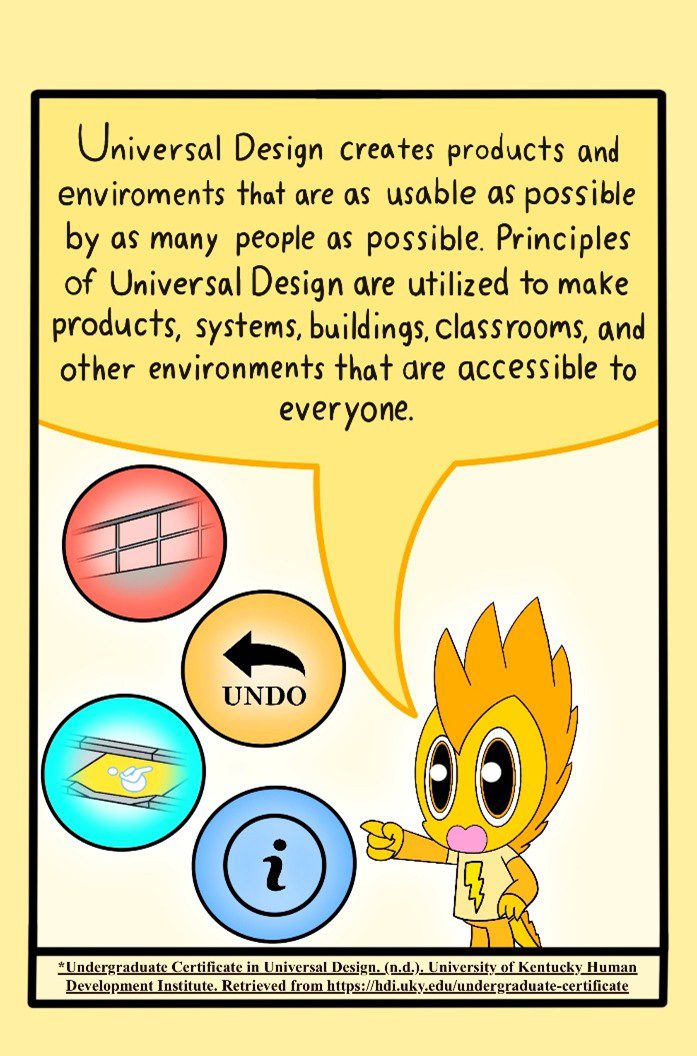
For Xin’s practicum project this semester, she is working with the Graphic Medicine Resource Lab to explore how comics can make healthcare topics more accessible to a wider audience. Graphic medicine is also a field that examines people’s lived experiences to understand health issues better and help improve outcomes for individuals with developmental disabilities. She is currently working on a comic resource that shows some similarities between the fields of graphic medicine and universal design. Here are a few sample pages of that project:

Graphic Medicine is described on the website as a field that explores and supports the interaction between the medium of comics and the discourse of healthcare. The organization is a community of academics, health careers, authors, artists, and fans of comics.
Universal Design creates products and environments that are as useable to as many people as possible.

Xin is working hard and learning a lot during her time in the College and Career Studies program. She is also working toward earning her Undergraduate Certificate in Universal Design.

Great work, Xin! We are so proud of all you are doing!

UK College and Career Studies Program Completion

UK College and Career Studies Program Completion

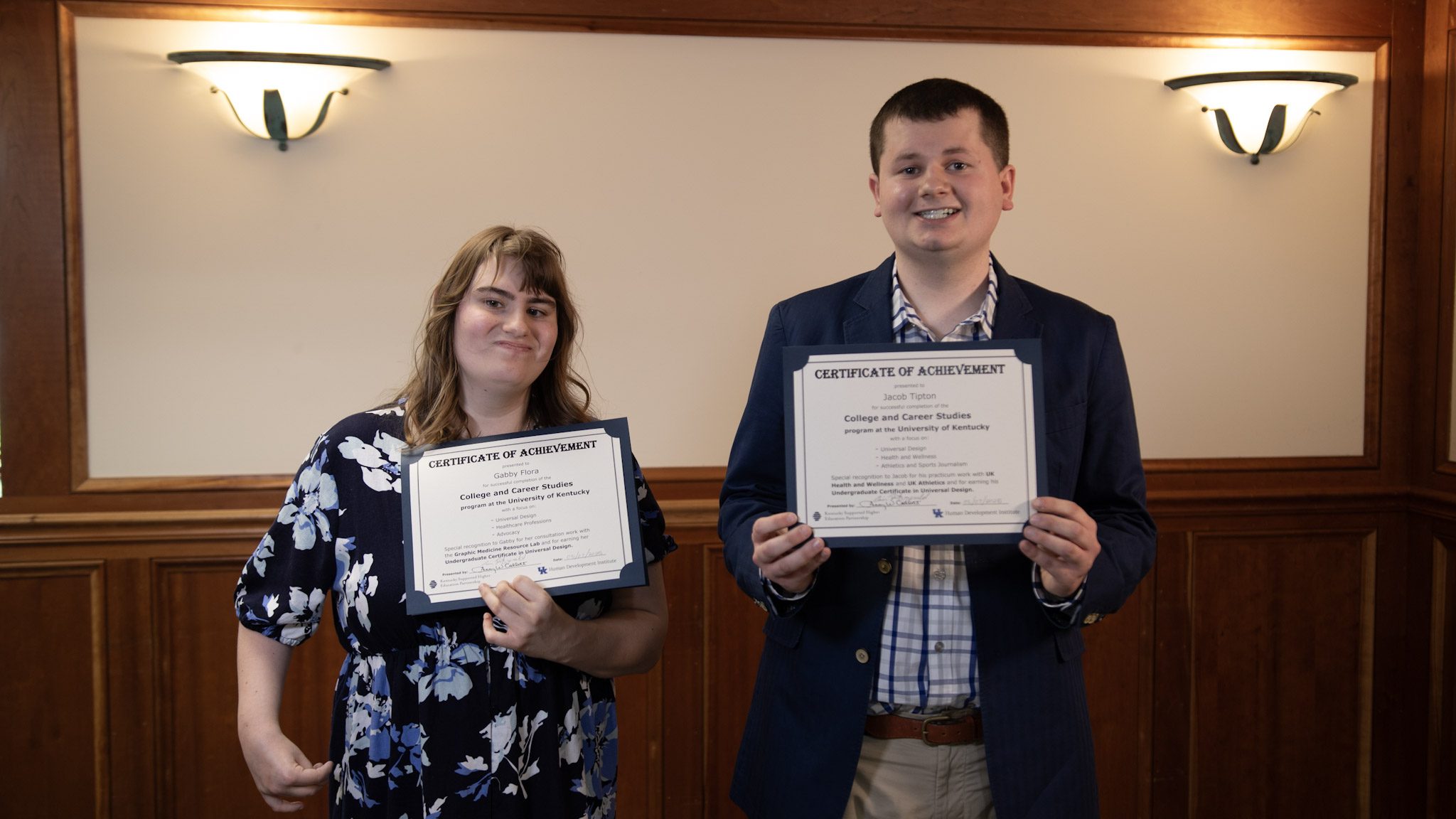
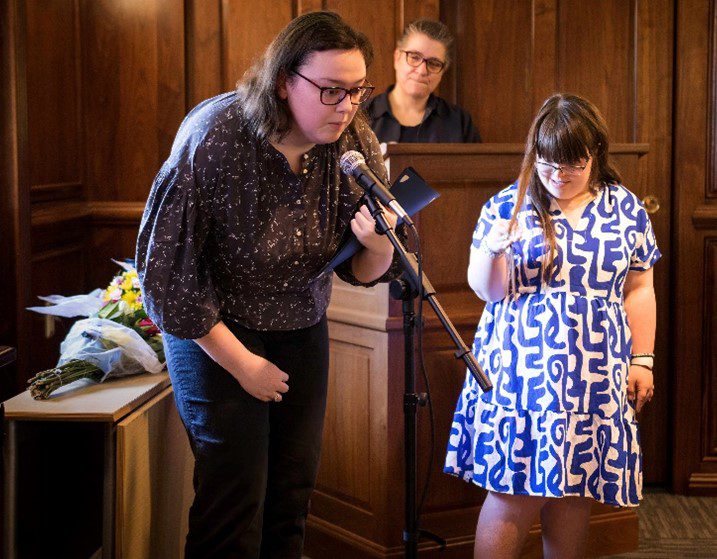
Gabby and Jacob stand in a formal room with their certificates of completion.

On May 7th, an intimate ceremony was held on UK’s campus to recognize the achievements of the five students completing the College and Career Studies (CCS) program this year. The event began with opening remarks from HDI’s Deputy Director, Johnny Collett, and CTP Coordinator Erin Fitzgerald. Ann, a peer mentor and media specialist who is also an alum of the program, then shared some of the accomplishments and highlights of each student and presented them with their certificates of achievement. All five students who completed the CCS program this year have also earned their Undergraduate Certificate in Universal Design. The students had a chance to share their thoughts about their experiences with family, friends, and other attendees from UK and the greater community. Thanks to everyone who showed support, and congratulations to all the program graduates: Callie, Kate, Gabby, Jacob, and Boris!

Empowering Futures: Understanding Comprehensive Transition and Postsecondary Programs for Students with Intellectual Disabilities

Empowering Futures: Understanding Comprehensive Transition and Postsecondary Programs for Students with Intellectual Disabilities

As students with disabilities approach the end of high school, families often face a critical question: What comes next? For many, the path to independence, employment, and further education can seem uncertain. That’s where Comprehensive Transition and Postsecondary Programs (CTPs) come in—offering a bridge to brighter futures.

What Are CTPs?

CTPs are higher education programs specifically designed for students with intellectual disabilities. These programs, hosted by six Kentucky colleges and universities, provide students with the opportunity to continue their education while gaining essential life and job skills.

CTPs are approved by the U.S. Department of Education: Students enrolled in these programs may be eligible for federal financial aid, even if they are not pursuing a traditional degree.

Students with ID enrolled in an approved CTP can access federal financial aid for which they qualify and state financial aid from the Kentucky Educational Excellence Scholarship (KEES), Work Ready Kentucky Scholarship, and College Access Program Grant programs, if eligible. Students and families can contact the Kentucky Higher Education Assistance Authority (KHEAA) at (800) 928-8926 or visit kheaa.com for help with the financial aid process.

To learn more about financial assistance for students enrolled in an approved Kentucky CTP, see CTP Brief: Student Financial Assistance.

Key Features of CTPs

  • Academic Enrichment: Students take part in coursework tailored to their abilities and interests.
  • Career Exploration and Community Engagement: Programs partner closely with the Kentucky Office of Rehabilitation and include internships, job coaching,  vocational training, career development lessons, and other types of experiential learning to help prepare students for meaningful employment and community connection.
  • Independent Living Skills: From budgeting to cooking to navigating public transportation, students learn skills that support autonomy.
  • Social Integration: Students engage with peers on campus, participate in clubs, and build lasting friendships.

Why Families Should Consider Exploring CTPs

For families, the transition from high school to adulthood can be a daunting and overwhelming experience. CTPs provide a supportive and structured environment that fosters growth and independence. By participating in a CTP, students can:

  • Build confidence and self-advocacy skills
  • Discover their strengths and interests
  • Gain real-world experience in a safe, supportive setting
Sara Jones (left), Ann Switzer (right), and Erin Fitzgerald (background)

Encouraging Families to Take the First Step

If you’re a parent, guardian, or advocate of a student with a disability, now is the time to explore what CTPs can offer. Here are a few ways to get started:

  1. Research Programs: Visit the Kentucky Supported Higher Education Partnership website to see if there is a Community Transition Program (CTP) in your area.
  2. Attend Information Sessions: Many programs offer virtual or in-person open houses where you can meet staff, ask questions, and tour the campus.
  3. Connect with Other Families: Hearing from others who have gone through the process can provide valuable insights and encouragement.
  4. Talk to Your Student: Involve them in the conversation, allowing their goals, interests, and dreams to guide the journey.

Final Thoughts

Comprehensive Transition and Postsecondary Programs are more than just educational opportunities—they are launching pads for independence, confidence, and a fulfilling adult life. By reaching out and learning more, families can help their student take the next step toward a future full of possibility.

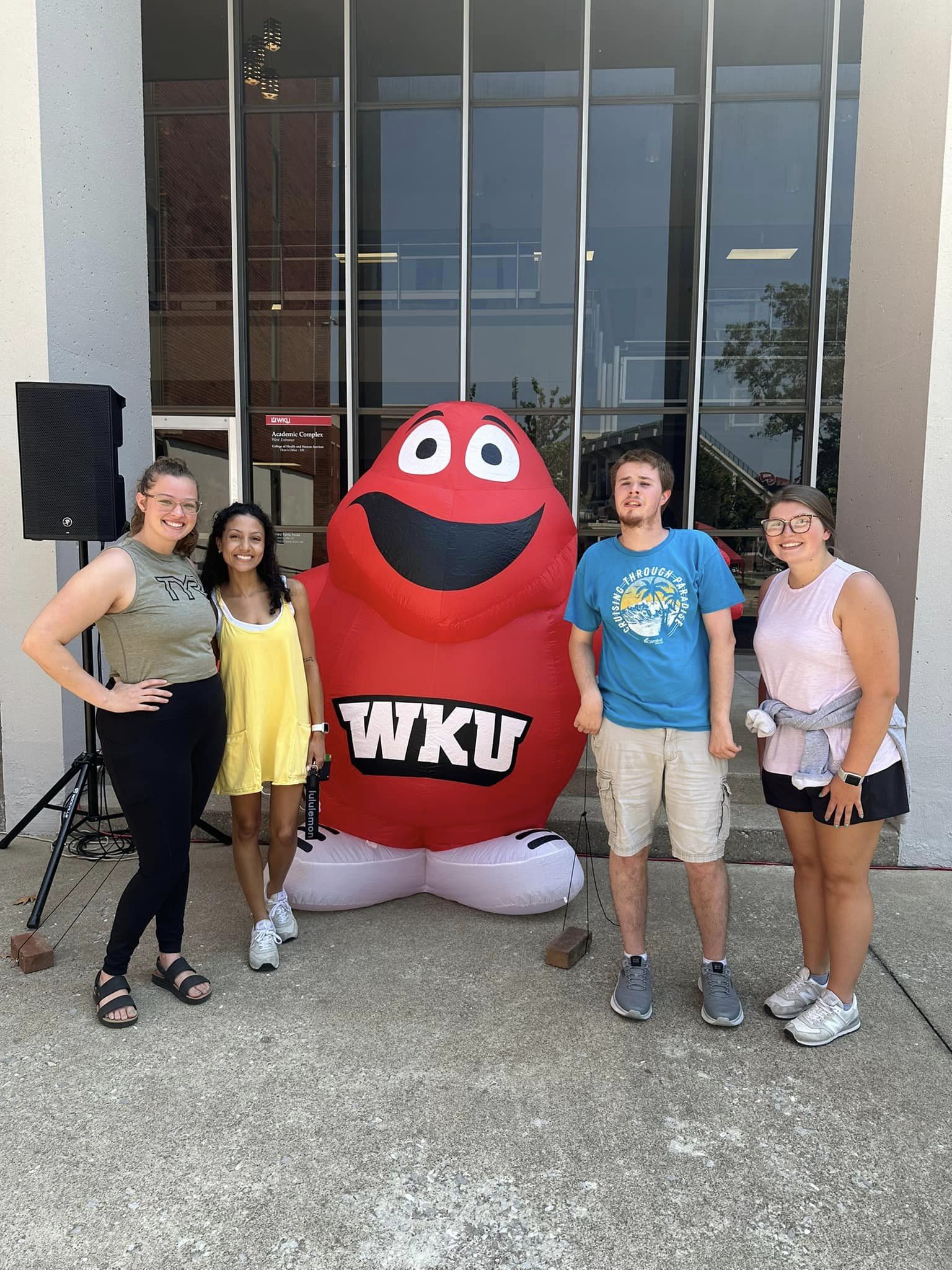
Group of people standing with the WKU Hilltopper

Community Spotlight – Episode 16: Mental Health and Wellness

Community Spotlight – Episode 16: Mental Health and Wellness

In this edition of Community Spotlight, Callie interviews two UK employees whose work is related to mental health and wellness. Amy Rodquist-Kodet is a holistic health coach and wellness specialist for UK Health and Wellness. Kristen Dahl works at the Human Development Institute at UK on multiple initiatives that center mental health, wellness, and mindfulness. In this interview, Callie asks about some of the supports and resources people might think about for mental health and wellness, the differences between them, and how we can work on our personal goals day to day. 

The SEPSEA logo is a series of circles with an open book in the middle, with bold color pages. Below are three stars and the words Justice, Inclusion, and Advocacy

Southeast Post Secondary Education Alliance (SEPSEA) will hold its annual conference in Asheville, NC this year from May 21-23, 2025.

Southeast Post Secondary Education Alliance (SEPSEA) will hold its annual conference in Asheville, NC, from May 21 to 23, 2025.

The SEPSEA logo is a series of circles with an open book in the middle, with bold color pages. Below are three stars and the words Justice, Inclusion, and Advocacy

The SEPSEA conference is an excellent opportunity to connect with others who are passionate about inclusive postsecondary education programs. You can attend sessions with students, alums, and professionals to learn more about what different people are doing to increase access to learning, engagement, and advocacy in college and university settings.

If you are not a member of SEPSEA, you can also find out more information about membership – as well as details about this year’s conference – at this link: https://sepsea.org/sepsea-annual-conference/#

Exciting Opportunity for Students with Down Syndrome: Apply for Ruby’s Rainbow College Scholarships by April 15!

Exciting Opportunity for Students with Down Syndrome: Apply for Ruby’s Rainbow College Scholarships by April 15!

Are you a student with Down syndrome dreaming of attending college? Ruby’s Rainbow is here to help you achieve your higher education goals! Ruby’s Rainbow offers scholarships ranging from $1,000 to $10,000 to support students with Down syndrome in their pursuit of post-secondary education.

Who Can Apply? To be eligible for a Ruby’s Rainbow scholarship, you must:

  • Have Down syndrome
  • Be at least 18 years old by August 1 of the application year
  • Plan to enroll or continue enrollment in a post-secondary program that enhances your life through employment skills, independent living, or other interests
  • Provide copies of your high school diploma or equivalent, latest high school transcript, or proof of acceptance to or current enrollment in a post-secondary program1

How to Apply The application process is designed to help you showcase your personality, achievements, and dreams. Ruby’s Rainbow provides a detailed scoring rubric to guide you in creating a strong application. Remember to highlight your personal story, accomplishments, goals, and community impact.

Important Dates The application window is open now and closes on April 15. Don’t miss this chance to take a significant step toward your future!

Why Apply? Ruby’s Rainbow is dedicated to helping students with Down syndrome reach their highest potential and promoting awareness of their capabilities. By applying for a scholarship, you gain financial support and join a community that celebrates your achievements and dreams.

For more information and to apply, visit Ruby’s Rainbow’s scholarship application page.

College and Career Studies application open for 2025-26 school year

The college and Career studies application is open for the 2025-26 school year.

Apply to the University of Kentucky College and Career Studies Program, Fall 2025

If you wish to apply for College and Career Studies (program at UK for the Fall 2025 semester, please use this link to get started: https://apply.uky.edu/apply/

Please read and follow these steps carefully:

  • Once you have created an account and logged in, you will see a dropdown menu for the 2025 application cycle. Select the “Non-Degree Application” and click “Create application” to begin. (This option might also be listed as “Open application.”)
  • Complete the demographic and contact info on the following few screens as instructed.
  • When you get to the “Applicant Information” screen, under “Applicant Type,” select “New Non-Degree.” Under “Application Term,” select “Fall 2025 (Beginning August 2025).”
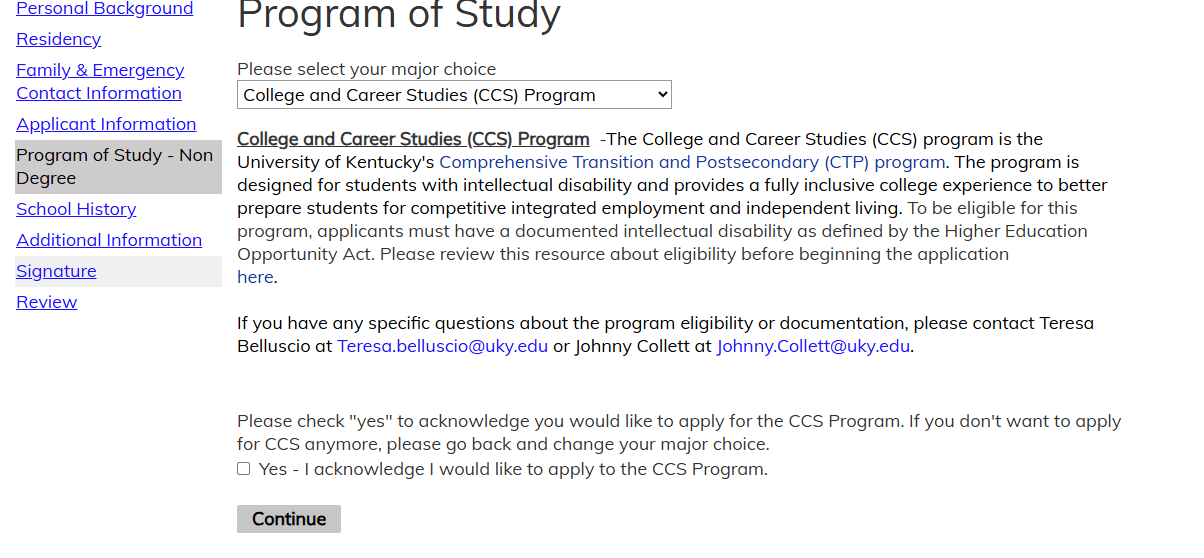
  • On the “Program of Study” screen, select “College and Career Studies (CCS)” as your major choice. (NOTE: Please read the resource provided on eligibility requirements before continuing to the application.)
  • Check box to acknowledge that CCS is the chosen program of your application.
  • Please continue to complete the application, sign it, and submit it. (You will be alerted if any required fields are missing.)
  • All students applying to any University of Kentucky program must pay a $50 application fee. This information and instructions will appear after you submit your application. The application will not be processed until the fee has been received.
During the application, select Program of Study - Non Degree. From the Major drop-down, select College and Career Studies (CCS) Program

What to expect after the initial application is submitted:

Once you have submitted your application, it may take a few weeks for it to be processed and information sent to the CCS team. Once we receive your initial application, we will reach out to you to send instructions for the next step of the application process.

Once you submit your initial application through the UK portal, it would be a good idea to start gathering any documentation requested or mentioned in the application – such as documentation of intellectual disability and high school transcripts. (You must provide these later for your application to be complete.)

The application will be open through the end of May. (Interviews will not be scheduled until after the application has closed and all applications are received and reviewed—sometime in June.)

Thank you, and good luck with the application process.

Ann’s Music Spotlight featuring Nick Teale

Ann’s Music Spotlight featuring Nick Teale

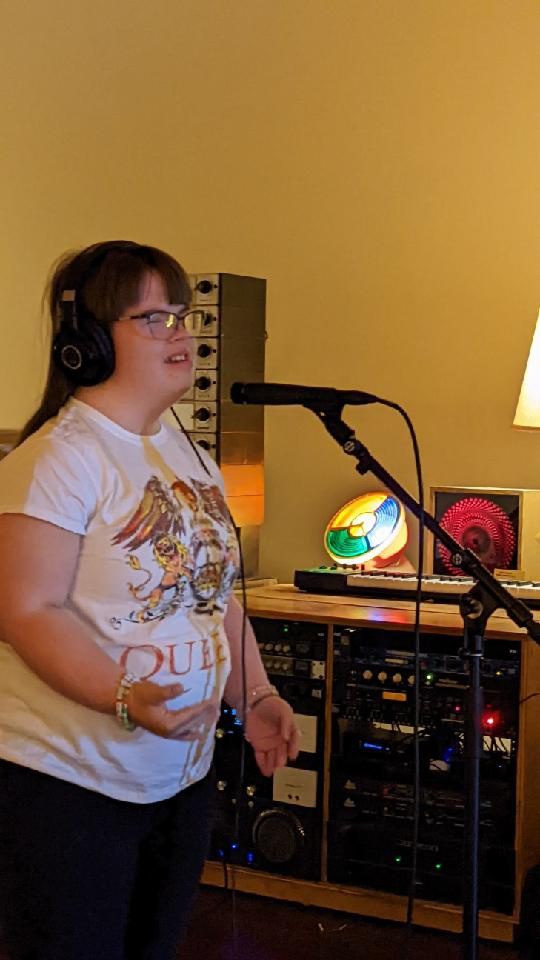
Ann’s Music Spotlight is a media series showcasing local and regional Kentucky musicians. It is hosted by Ann Switzer, an alum of the College and Career Studies at UK, who now works as a mentor and media specialist at HDI. In this episode, Ann interviews Louisville singer-songwriter and multi-instrumentalist Nick Teale. Thank you for listening!